

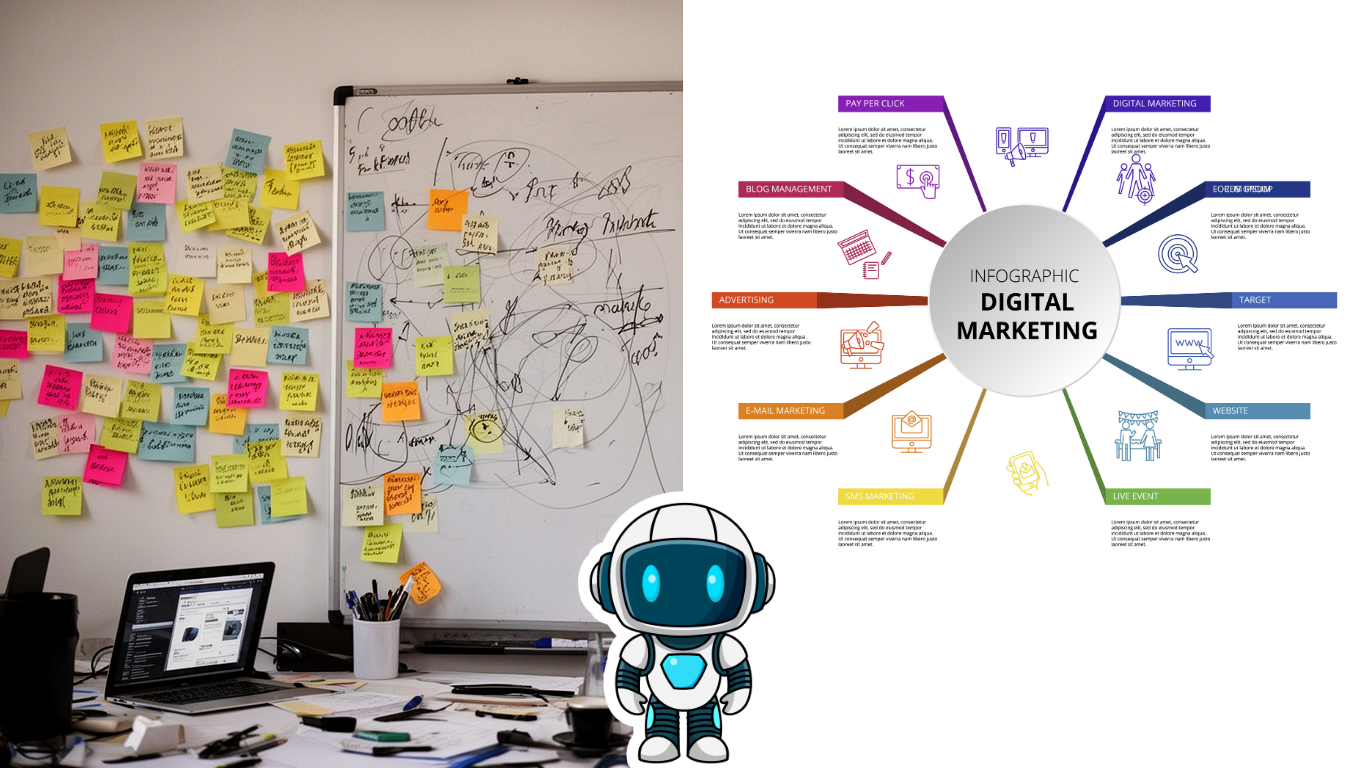
Most conversations about Claude start with content. Blog posts written faster. Email sequences generated in minutes. Social media copy that used to take half a day now takes twenty minutes.
None of that is wrong. But it is the smallest version of what Claude is.
The businesses gaining a genuine edge are not the ones producing more content. They are the ones using AI to think more clearly, move faster on decisions, and build marketing systems that connect directly to commercial outcomes. That is a different use case entirely, and it starts with a different question.
Not “how can Claude help us create more?” but “how can Claude help us understand our situation better, faster?”

The wrong question most businesses are asking
Most scaling businesses experimenting with Claude are running a production experiment. Can AI replace or accelerate content creation? Faster copy, more blog posts, email sequences in minutes.
The result is more content and less clarity. Here is what rarely gets said: when content is easy to produce, it removes one of the natural forcing functions that pushes leadership to confront what they are actually trying to say. A business that was fuzzy on its positioning before Claude tends to become more confidently fuzzy after it. The tool speeds up execution. It does not fix the thinking underneath.
This is the category error most businesses make with AI marketing strategy. They treat Claude as an execution accelerator when the real constraint was never execution in the first place.

What Claude actually changes, if you use it well
The more useful framing is not “what can Claude produce?” but “what can Claude compress?”
Scenario thinking becomes faster and cheaper. Working through multiple positioning options, messaging approaches, or go-to-market structures no longer requires a workshop or a drawn-out strategy process. Leadership teams can explore and stress-test options in real time, which changes the quality and pace of strategic conversations.
The synthesis of existing information improves dramatically. Most scaling businesses have more insight available than they are acting on. Customer feedback, sales call patterns, competitor movements. Claude can surface patterns that take humans considerably longer to identify. The insight was already there. The bottleneck was processing time.
Least obviously, Claude improves the quality of the brief. In marketing, output quality is almost always determined by the quality of thinking that precedes it. Vague briefs produce vague work. Claude, used as a thinking partner rather than a writing tool, helps leadership teams get to sharper briefs, clearer objectives, and more precise commercial questions. That upstream improvement is where the real value sits, and it is the thing almost nobody talks about.
What this means for leadership teams, commercially
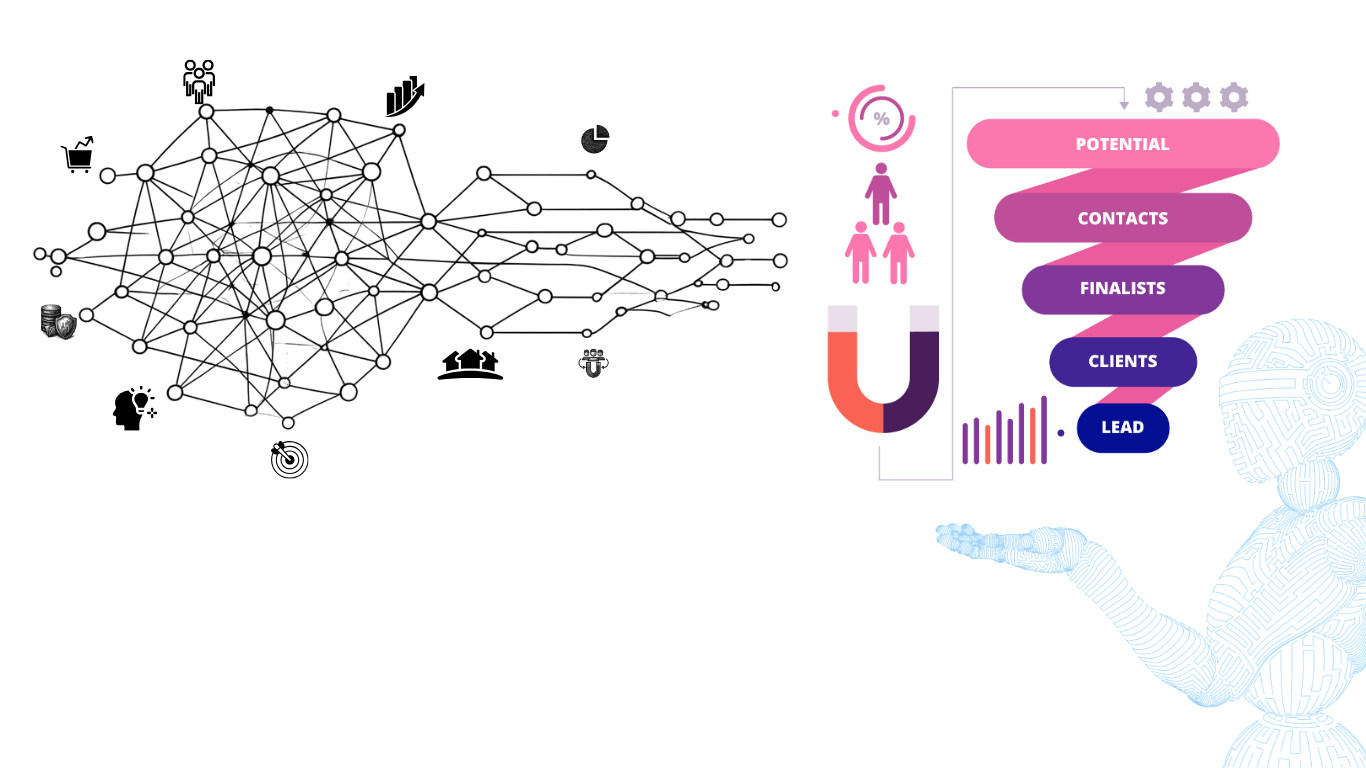
Here is the implication that most AI commentary glosses over: Claude shifts the constraint upstream.
For years, the marketing bottleneck in scaling businesses has been capacity, not thinking. Not enough time, resource, or execution bandwidth. AI is resolving that constraint quickly. Which means the new bottleneck is leadership clarity. If the CEO cannot articulate the commercial problem precisely, if the growth objective is vague, if sales and marketing are not agreed on what a qualified opportunity looks like, Claude cannot compensate. It will simply produce more, faster, in the wrong direction.
The businesses that will extract the most commercial value from AI are not the ones with the most tool access. They are the ones where leadership can brief precisely, align quickly, and make decisions at pace. Those are human skills. AI makes their absence more expensive, not less.

The risk that is not being talked about
There is a subtler risk than producing too much content, and it is more dangerous.
Claude can make weak strategy feel coherent. It writes fluently. It structures arguments persuasively. It can take a positioning that has never been properly tested and dress it in language that passes inspection. Leadership teams can be genuinely misled by the quality of the output into believing the underlying thinking is sounder than it is.
McKinsey research on AI and business performance has consistently found that the organisations capturing the most value are not those with the most tool access, but those with the clearest integration between AI capabilities and defined business objectives. The tool is not the problem. The absence of a system around the tool is. And the absence of honest scrutiny about whether the strategy itself is sound is more expensive still.

The direction of travel matters as much as the current capability
It is also worth noting where Claude is heading, not just where it is today. As capabilities expand into areas like code generation and autonomous computer interaction, the gap between businesses with structured AI integration and those without one will widen considerably.
Claude Code is already enabling faster development of marketing infrastructure, from automated reporting to custom data pipelines, without proportional increases in technical resource.
These are not features for the technically minded. They are signals of a broader shift in what a small, well-structured marketing operation can now build and operate. For leadership teams thinking about competitive advantage over a two to three year horizon, the direction matters as much as the current capability.

What a more mature approach looks like
Businesses seeing consistent commercial results from AI integration tend to share a few characteristics.
AI is embedded in the thinking process, not just the production process. It is being used to sharpen positioning, model commercial scenarios, and pressure-test strategic assumptions. Content is a downstream benefit of that thinking, not the primary objective.
There are clear commercial objectives that all marketing activity connects to. AI accelerates execution within a defined system. It does not replace the system. And marketing, sales, and leadership are in regular conversation about what is working commercially, not just what is being produced.
This is not a complicated formula. But it does require someone thinking at a system level, not just a channel or tool level.
Where this is heading
Claude AI and the tools around it represent a shift in the fundamental economics of marketing thinking. Synthesis, analysis, scenario planning, strategic exploration, these have historically required significant time, expertise, or both. That constraint is loosening.
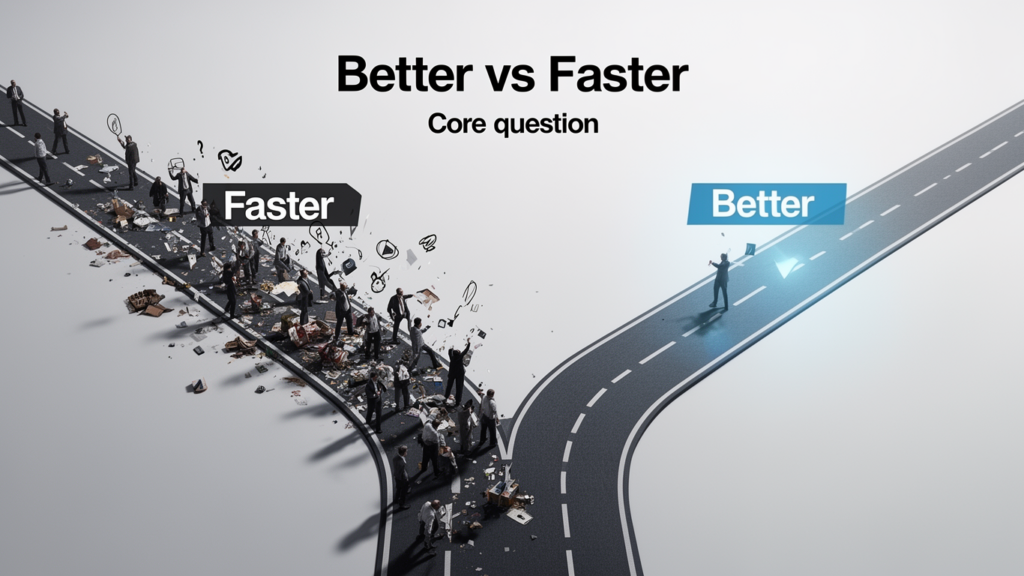
The businesses that benefit most will not be the ones that produce the most content. They will be the ones that use the compression of thinking time to make better strategic decisions faster, and that have the organisational clarity to act on those decisions coherently.
The question worth sitting with is not “are we using Claude?” It is “are we using Claude to get better, or just faster?”
If you are working through how AI tools fit into your broader marketing strategy, or whether your current approach is building toward the commercial outcomes you need, I work with scaling businesses on exactly this. You can find out more about how I work at jonnyross.com.