
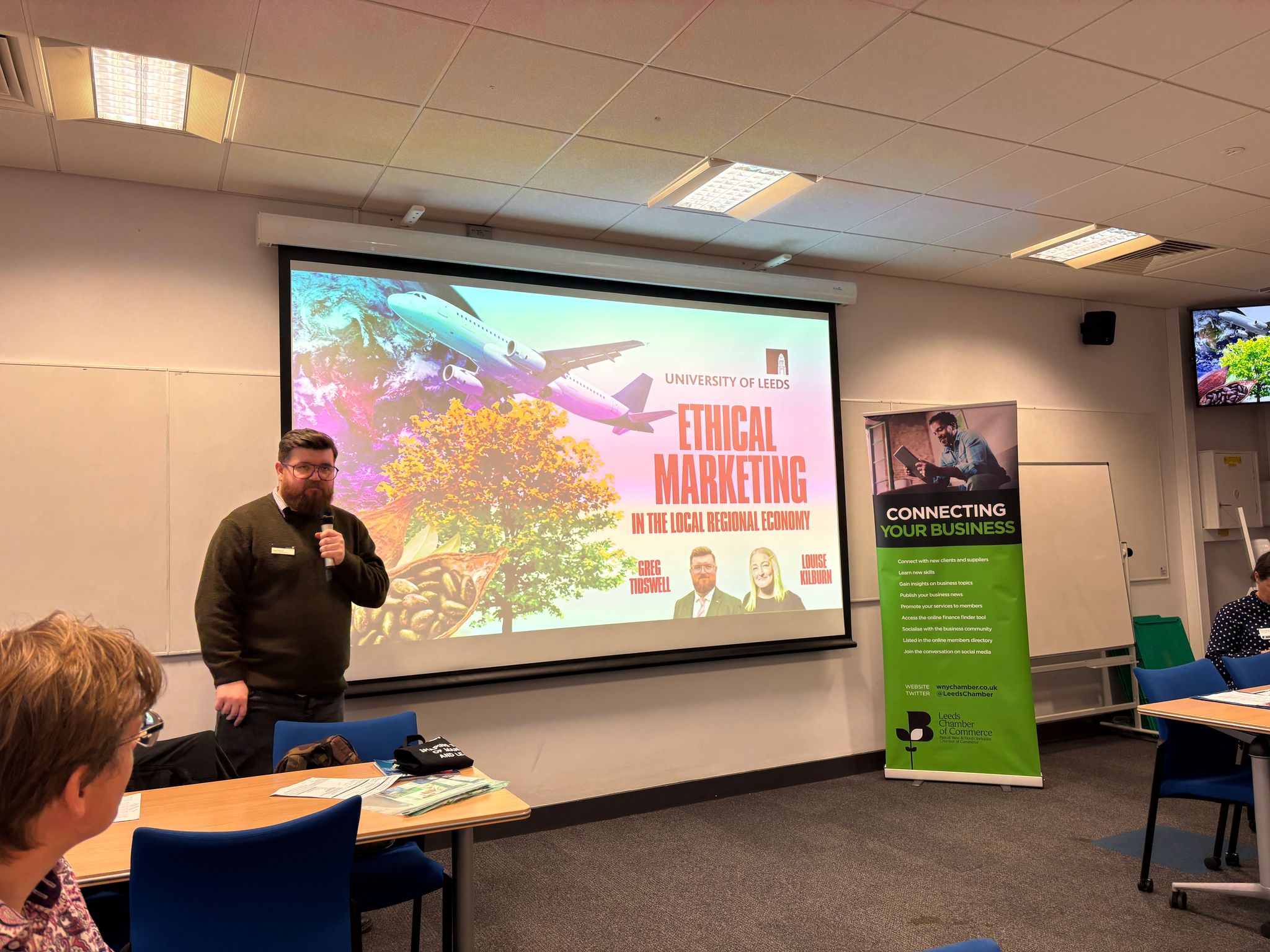
If there’s one thing that came through loud and clear at a recent ethical marketing session in Leeds, it’s this: Trust matters more than ever. In a climate where consumers are increasingly savvy and quick to call out inauthenticity, mid-sized businesses risk losing credibility if they don’t embrace genuine, transparent practices. At the same time, companies that do invest in ethical marketing can secure significant benefits—from deeper brand loyalty to stronger community ties and a healthier bottom line.
In this post, I’ll draw on key insights shared during the Chamber of Commerce event at Leeds University to explain why ethical marketing isn’t just good PR—it’s a robust strategic advantage. We’ll explore practical frameworks, real-life UK examples, and tangible tips for applying these ideas to your own organisation. By the end, you’ll have a roadmap for aligning your marketing with principles that foster trust, loyalty, and long-term growth.
Table of Contents
-
Why Ethical Marketing Matters
-
Core Ethical Frameworks Explained
-
Real-World UK Examples of Ethical Marketing
-
Applying Ethical Marketing to Mid-Sized Businesses
-
Implementation Tips: Five Practical Steps
-
Conclusion
-
Next Steps: Where to Get Help
Why Ethical Marketing Matters
Marketing is no longer just about reaching the biggest audience possible or cranking out promotional messages. It’s about connecting with people—your customers, partners, and wider community—in a way that builds real trust and stands the test of time.
-
Consumer Trust Is Fragile
-
Research from Edelman’s Trust Barometer regularly points out that consumers will quickly drop brands they perceive as unethical or dishonest.
-
In contrast, brands seen as honest and values-driven often attract loyalty that can last decades.
-
-
Legal & Reputational Risks
-
Misleading practices can lead to lawsuits, penalties, or mass consumer backlash. The PPI mis-selling scandal in the UK is just one major illustration of what can happen when companies prioritise short-term gain over fairness.
-
-
Competitive Advantage
-
Standing out in the mid-market space can be difficult when competing against large household names. Ethical marketing differentiates your brand by clearly articulating why you do what you do in a responsible, community-centric way.
-
-
Long-Term Profitability
-
Ethical marketing doesn’t mean sacrificing profitability. On the contrary, brands that champion transparency and sustainability often find customers willing to pay a little more, or to remain loyal through challenging economic times.
-
Key Takeaway: Ethical marketing isn’t a nice-to-have—it’s a cornerstone of modern, sustainable growth, particularly for mid-sized firms looking to earn the trust of both consumers and potential partners.
Core Ethical Frameworks Explained
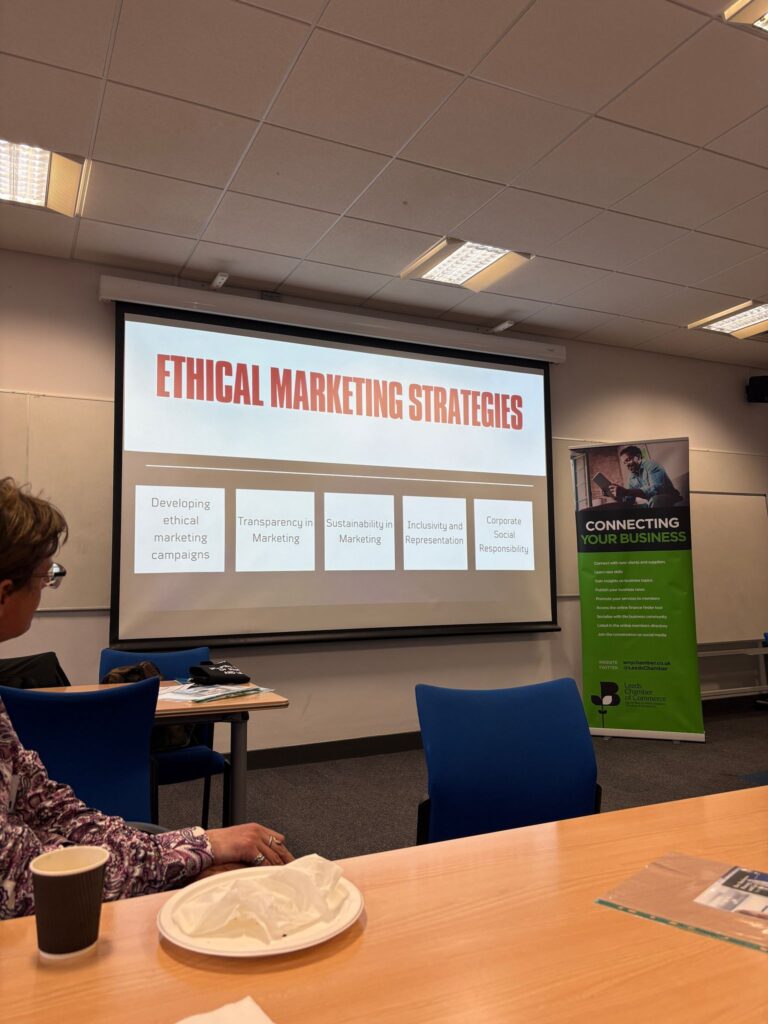
During the Leeds University event, a few philosophical foundations were highlighted to show where ethical marketing really comes from. Let’s break down four of these frameworks and how they apply in practical business terms.
1. Deontology
-
Definition: Focuses on doing the right thing as a matter of duty or principle, regardless of outcomes.
-
Application: A mid-sized company might refuse to use cheap materials from questionable sources, even if it raises short-term costs, because they believe in fair labour and environmental stewardship.
2. Utilitarianism
-
Definition: Promotes the greatest good for the greatest number.
-
Application: A retailer could reduce plastic waste in packaging, not only because it’s eco-friendly but also because it maximises social benefit—customers, local communities, and the planet all gain.
3. Virtue Ethics
-
Definition: Emphasises character and moral virtues (like honesty, integrity, compassion) embedded in every decision.
-
Application: If a client is experiencing financial difficulties, a business guided by virtue ethics might offer flexible payment terms or alternative solutions, prioritising compassion over profit.
4. Stakeholder Theory
-
Definition: Businesses must consider all stakeholders, not just shareholders—customers, employees, suppliers, communities, and the environment.
-
Application: A mid-sized manufacturing firm might install noise-reduction systems to minimise disruption to nearby residents, reflecting a commitment to the wider community rather than just the bottom line.
Key Takeaway: While these frameworks often overlap, they all reinforce the same point: Ethical marketing is about balancing your obligations to people, profit, and the planet.
Real-World UK Examples of Ethical Marketing
The Leeds event spotlighted a range of British and global brands known for getting it right—and sometimes for getting it terribly wrong. Here are a few standout cases that can inspire mid-sized businesses:
Yorkshire Tea
-
What They Do: Emphasise local authenticity and “properness” in everything from their packaging to their adverts.
-
Ethical Angle: They’ve historically supported UK-based farms and community initiatives. The brand’s marketing is straightforward, tying the “Yorkshire” identity to genuine quality.
-
Reference Link: Yorkshire Tea Official Site
Dove
-
What They Do: Known for its “Real Beauty” campaigns, highlighting body positivity and inclusivity.
-
Ethical Angle: Moves away from airbrushed, unrealistic portrayals of women, instead advocating for self-esteem and broader definitions of beauty.
-
Result: A stronger emotional connection with consumers and improved brand loyalty.
-
Reference Link: Dove Real Beauty Campaign
Patagonia
-
What They Do: Outdoors apparel and gear, heavily committed to environmental causes.
-
Ethical Angle: From “Don’t Buy This Jacket” ads discouraging mindless consumption to robust transparency about supply chains.
-
Takeaway for UK Firms: Shows how consistent messaging around sustainability can differentiate you in a crowded marketplace.
Co-op
-
What They Do: Operate as a consumer co-operative, emphasising fair trade, local sourcing, and community investment.
-
Ethical Angle: Fair pricing, honest labelling, strong worker and supplier relationships.
-
Result: A longstanding reputation for social responsibility and trust in the British grocery sector.
-
Reference Link: Co-op Ethical Policies
Key Takeaway: Brands that align their marketing with authentic values find customers more willing to advocate for them, even in competitive markets. Mid-sized businesses can emulate these practices on a smaller, more agile scale.
Applying Ethical Marketing to Mid-Sized Businesses
Whether you’re a B2B software provider, a regional retail chain, or a family-owned manufacturer, ethical marketing principles can be embedded throughout your organisation.
-
Start with a Clear Value Statement
-
Define why your company exists beyond making money. Perhaps it’s about uplifting local communities or helping customers achieve specific sustainability goals.
-
Ensure every employee understands this vision, so it comes through genuinely in marketing efforts.
-
-
Embed Ethics in Day-to-Day Operations
-
Ethical marketing must reflect the reality behind the scenes. If you claim to treat suppliers fairly but regularly demand unsustainable discounts, customers will notice the discrepancy.
-
Make sure your supply chain policies, hiring practices, and product quality align with your stated ethics.
-
-
Train Your Staff
-
A single negative interaction with a salesperson or support rep can tarnish your entire brand message.
-
Consider short training sessions on brand values, conflict resolution, and consumer privacy protection.
-
-
Highlight Community Involvement
-
Partner with local charities or community groups that resonate with your brand values.
-
Document these collaborations—through photos, short blog posts, or social media highlights—showcasing real impact.
-
-
Be Transparent About Data and Privacy
-
If you collect user data, explain exactly how it’s stored and used, and provide an easy opt-out.
-
Transparency about data practices builds trust, especially in an era of GDPR concerns.
-
Implementation Tips: Five Practical Steps
Below are five quick wins drawn from the Leeds event’s discussion on ethical marketing:
-
Create an “Ethical Blueprint” for Each Campaign
-
Outline the specific actions you’ve taken to be more transparent, sustainable, or community-minded.
-
Present it in a visual format on social media or your website—easy to scan, easy to understand.
-
-
Share Internal Stories
-
Profile staff who champion ethical practices. Short Q&A interviews can be turned into engaging blog content.
-
If employees see themselves as part of the brand’s ethical story, they’ll share that narrative more confidently.
-
-
Measure and Report Impact
-
Use simple metrics: number of local suppliers engaged, amount of recycled materials used, or volunteer hours contributed.
-
Publish these metrics in quarterly or annual reports. This not only holds you accountable but also demonstrates tangible progress.
-
-
Align Partnerships with Values
-
Vet potential partners or clients. If a supplier is known for exploitative labour practices or a client expects unethical methods, consider whether the relationship aligns with your core values.
-
Although it might feel risky, turning away the wrong partner can protect your brand in the long run.
-
-
Regularly Revisit and Revise
-
Ethical marketing isn’t a one-off initiative. Conduct an internal audit every quarter or year to evaluate where you can do better.
-
Stay informed about new regulations, social issues, and market expectations—they’re always evolving.
-
Conclusion
Ethical marketing isn’t just about wearing a halo—it’s a practical, strategic approach to growing your mid-sized business in a way that resonates with today’s consumers. By grounding your efforts in frameworks like deontology, utilitarianism, virtue ethics, and stakeholder theory, you create a culture that values genuine trust, mutual respect, and long-term impact.
Mid-sized organisations often have the advantage of being nimble enough to implement changes quickly and authentically. You can focus on specific local communities, engage dedicated suppliers, and tell a story that global corporations sometimes struggle to articulate. Whether it’s creating an “ethical blueprint” for every campaign, training staff on company values, or sharing your metrics in regular progress reports, the opportunity is there to build a brand that stands for something more than profit—and that stands out in a noisy market.
Next Steps: Where to Get Help
Thinking it might be time to refine your marketing approach? Ethical marketing can feel daunting, but it doesn’t have to be. If you’d like to explore how purpose-driven campaigns and transparent strategies could transform your own mid-sized business, consider booking a consultation with me. I’d be happy to discuss specific steps tailored to your goals and challenges—no fuss, no hard sell, just practical insights you can put to use straight away.
Because at the end of the day, ethical marketing isn’t just about moral high ground—it’s about building a resilient brand that people trust and love to support.