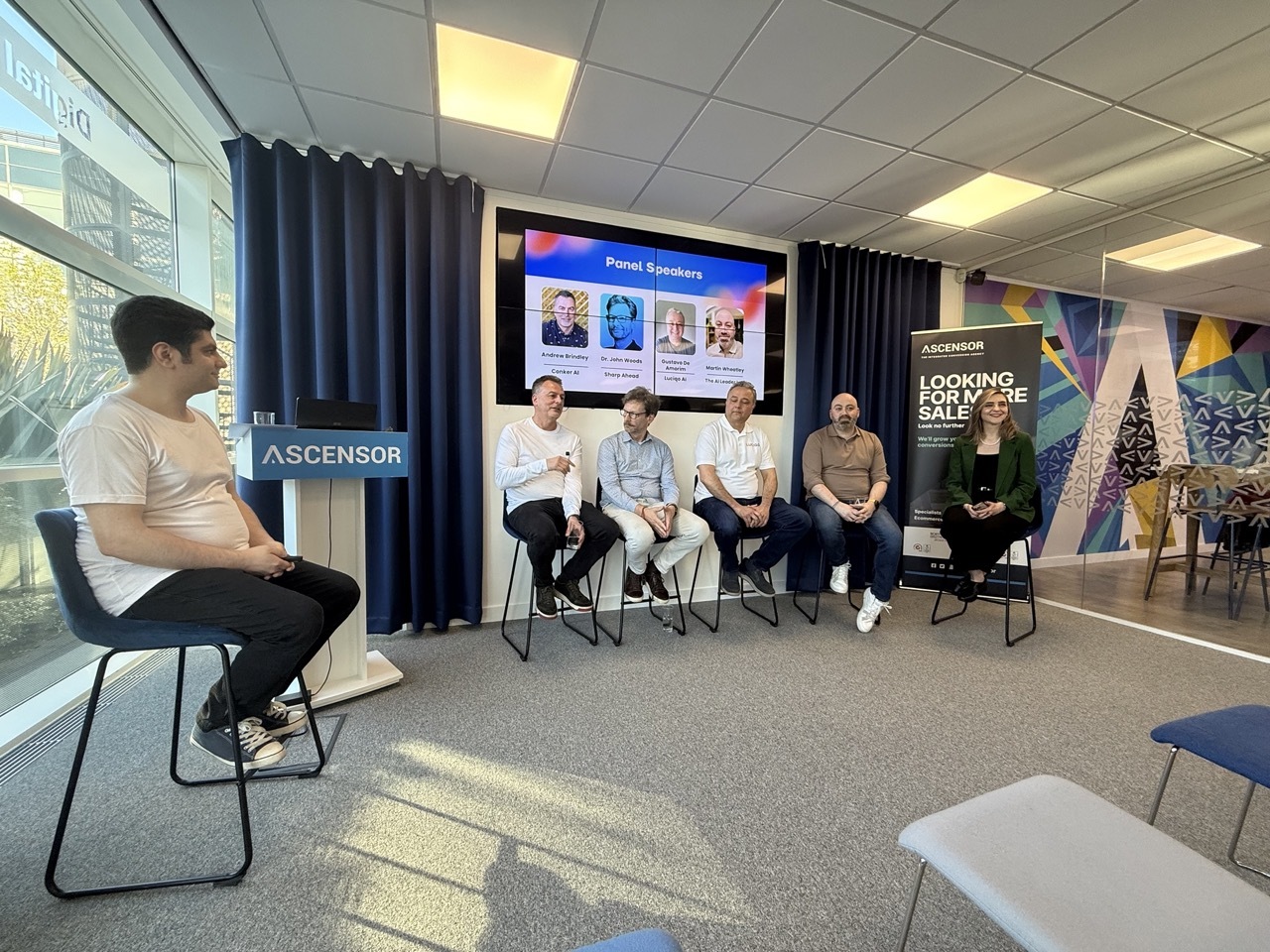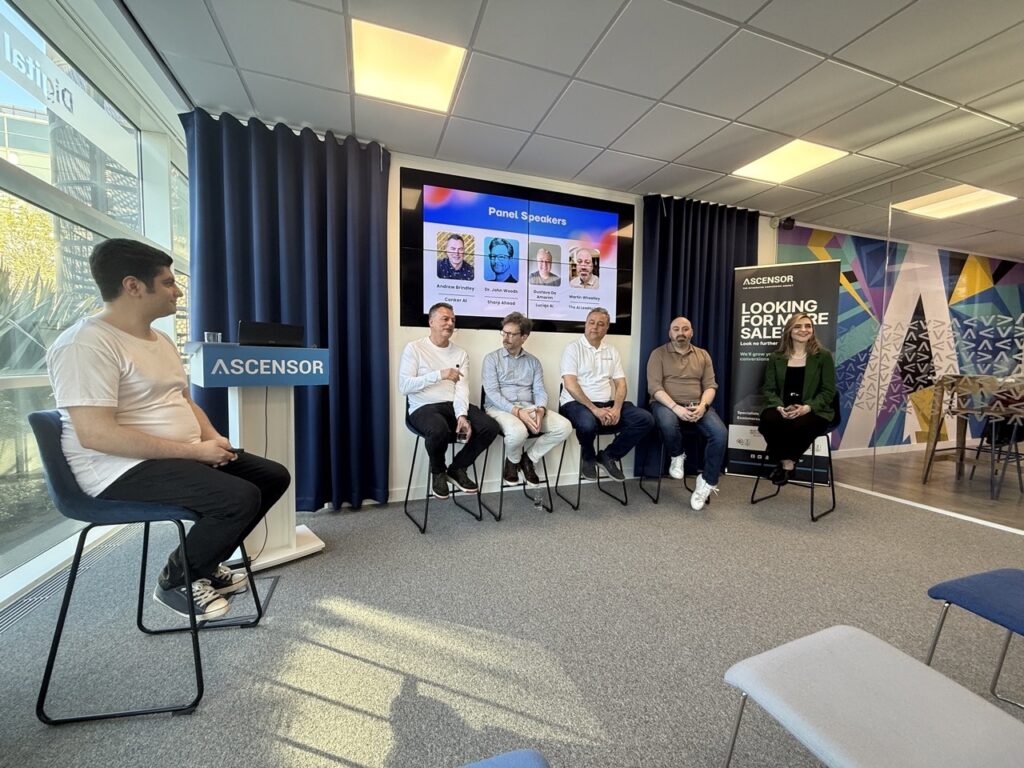

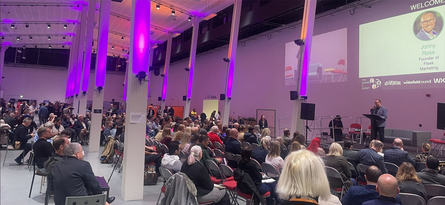
There was a real buzz in the room.
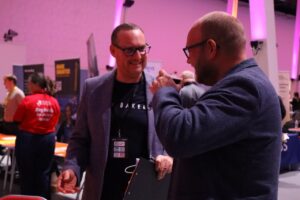
Hundreds of business owners, creatives, and innovators from across West Yorkshire gathered for AI Unlocked, an event delivered by AD:VENTURE, Wakefield Council, Wakefield First, and the West Yorkshire Combined Authority.
I had the privilege of hosting the day — introducing speakers from Microsoft, the NHS, and some of the region’s most forward-thinking SMEs.
And here’s what struck me most:
AI isn’t just for tech giants anymore. It’s for real businesses — Yorkshire manufacturers, creative agencies, educators, and consultants — all eager to understand how to make AI work for them.
As a Fractional CMO and digital strategist, I see this shift every week. The question has changed from “Should we use AI?” to “How do we use it safely, efficiently, and strategically?”
Here are my five key lessons from hosting AI Unlocked, and how small businesses can start turning curiosity into capability.
1. AI Is Already Here (and It’s Local)
If there’s one myth that needs busting, it’s that AI is something distant or futuristic.
AI is already woven into the fabric of Yorkshire business — in healthcare, creative industries, manufacturing, and beyond. We heard from innovators like Production Park, who are helping global artists and entertainment brands rethink production using AI and advanced tech.
We saw how Mid Yorkshire NHS Trust is applying AI to improve patient care and streamline operations.
And we heard countless stories from small business owners testing tools that make planning, content creation, and decision-making faster and smarter.
Lesson: The AI revolution isn’t happening in Silicon Valley — it’s happening here, and it’s accessible.
You don’t need a data scientist. You just need the willingness to explore what’s possible.
 2. AI Doesn’t Replace Humans — It Frees Them
I said it on stage, and I’ll say it again:
AI isn’t replacing humans — it’s freeing us up to focus on the work we love.
That’s the message that resonated most with delegates.
When AI takes care of repetitive tasks — writing first drafts, analysing data, summarising reports — it creates space for creativity, strategy, and connection.
One attendee told me, “I finally see how AI could give me time back rather than take something away.”
That’s the shift in mindset we need — from fear to opportunity.
I’ve seen this firsthand with clients: a Leeds-based professional services firm now saves over 10 hours a week using AI-powered automation for client communication. The result? More time for high-value strategy and client relationships.
Lesson: Use AI to elevate the human side of your business — not eliminate it.
 3 SEO and AI Are Colliding Faster Than You Think
One of the most important discussions of the day — and the focus of my workshop — was the collision between AI and SEO.
Search is changing fast. Google’s introduction of AI Overviews means your website could soon appear not just in search results, but inside AI-generated summaries.
In plain terms: when someone searches, Google’s AI now explains the answer — pulling from trusted, high-quality websites. If your content isn’t clear, authoritative, and experience-led, you risk disappearing from that new layer of visibility.
Here’s what that means for small businesses:
✅ Write for questions, not keywords. Think about how people ask for help — use conversational titles and natural language.
✅ Show your experience. Share stories, examples, and real insights. AI surfaces content that demonstrates credibility (that’s part of Google’s EEAT framework — Expertise, Experience, Authority, Trust).
✅ Stay agile. SEO is no longer static. Your visibility depends on clarity, consistency, and originality.
At Fleek Marketing, we’re helping businesses adapt their content strategies to this new landscape — making sure they’re visible in AI Overviews and positioned for 2026 and beyond.
Lesson: The future of SEO belongs to the businesses that understand how AI reads and ranks trust.
 4. Curiosity Is the New Competitive Advantage
Another pattern I noticed throughout the day was curiosity.
The most engaged people weren’t AI experts — they were curious business owners, open to learning. Many told me they’d avoided AI until they saw just how accessible it really is.
And that’s the beauty of it: you don’t need to master AI overnight. You just need to start experimenting.
Try one tool. Test a new workflow. Ask ChatGPT to summarise your blog, or use AI to map your next campaign plan.
Curiosity is what drives innovation. It’s what turns “we can’t” into “let’s see what happens.”
Lesson: Innovation doesn’t start with technology — it starts with curiosity.
5. The Future Belongs to the Experimenters
The closing message of the day was simple:
If you want to succeed in 2026, start experimenting now.
AI is evolving too quickly for perfectionism. The businesses that thrive will be the ones brave enough to test, learn, and adapt.
And the good news? You’re not alone. There’s a growing ecosystem of support in West Yorkshire — from AD:VENTURE to Wakefield First to agencies like Fleek Marketing — ready to help you turn ideas into action.
This is what I help businesses do every day as a Fractional CMO: build clarity, capability, and confidence around marketing, digital strategy, and now, AI adoption.
Lesson: The next phase of digital transformation isn’t about big budgets — it’s about small experiments done consistently.
Final Thoughts
AI Unlocked wasn’t just an event — it was a glimpse into how adaptable, creative, and ambitious our business community really is.
West Yorkshire is full of businesses ready to innovate. AI just gives them another tool to do it faster, smarter, and more effectively.
If you’re ready to explore how AI fits into your digital strategy — whether through smarter SEO, automation, or upskilling your team — let’s talk.
👉 Book a consultation or connect on LinkedIn.
👉 Or visit Fleek Marketing to explore how we’re helping businesses stay visible in an AI-powered world.